
Youth Homelessness Strategy 2023-2025 – Infographic
In the years since the last Children’s Report, children’s lives in Ireland have undoubtedly changed significantly. As with the rest of the world, the Covid 19 pandemic hit children in Ireland hard.

In the years since the last Children’s Report, children’s lives in Ireland have undoubtedly changed significantly. As with the rest of the world, the Covid 19 pandemic hit children in Ireland hard.

A 3-year strategy working towards ending homelessness for young people aged 18-24 through prevention and exits; and improving the experience of young people accessing emergency accommodation.

New research from UNICEF Innocenti and Western Sydney University explores the question: what does well-being mean to children in a digital age? This first-phase report prioritises the voices of children, collected through workshops with over 300 children from 13 countries along with analysis of existing survey data from 34,000 children aged 9-17 across 30 countries.

This report presents the findings of the consultations with young people from minority ethnic backgrounds.

Teachers invariably want to do right by children in their classrooms. Increasingly, this means listening to children and acting on their views. Listening to “student voice” and incorporating children’s views about education in classroom and school decision making is important if we want to encourage authentic forms of belonging, wellbeing, learning, and achievement that really matter to children

In the years since the last Children’s Report, children’s lives in Ireland have undoubtedly changed significantly. As with the rest of the world, the Covid 19 pandemic hit children in Ireland hard, and the full impact of public health restrictions on their education, health and mental health, family and other personal relationships is still largely unknown and emerging.

Children’s participation is essential to achieve good outcomes for children involved in child protection systems. Despite this, research has consistently found children report low levels of participation, are poorly consulted and feel inadequately involved in decisions about their lives. To explore how practitioners understand children’s participation, 18 in-depth interviews were conducted with statutory child protection practitioners in Australia.
Participation is the active involvement of children and young people in decision-making regarding issues that affect their lives
This research aimed to evaluate young children’s engagement, participation and inclusion within a city museum by utilising observations and semi structured interviews with children and families.
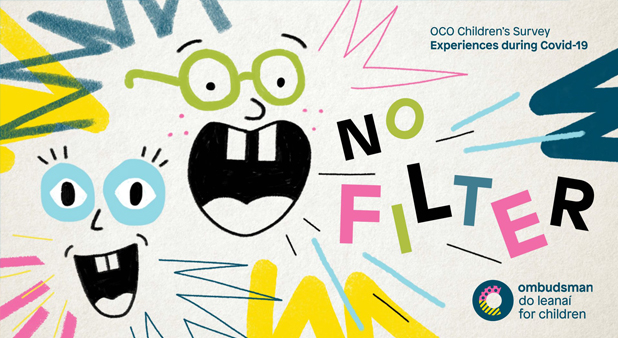
No Filter – A survey of children’s experience of the Covid-19 pandemic was carried out by the Ombudsman for Children’s Office (OCO) in conjunction with Amárach Research. No Filter was an online survey open to children between the ages of 9-17 years in Ireland. A small number of students aged 18 and over who are still in school also completed the survey.