Category: Toolkits & Guidance

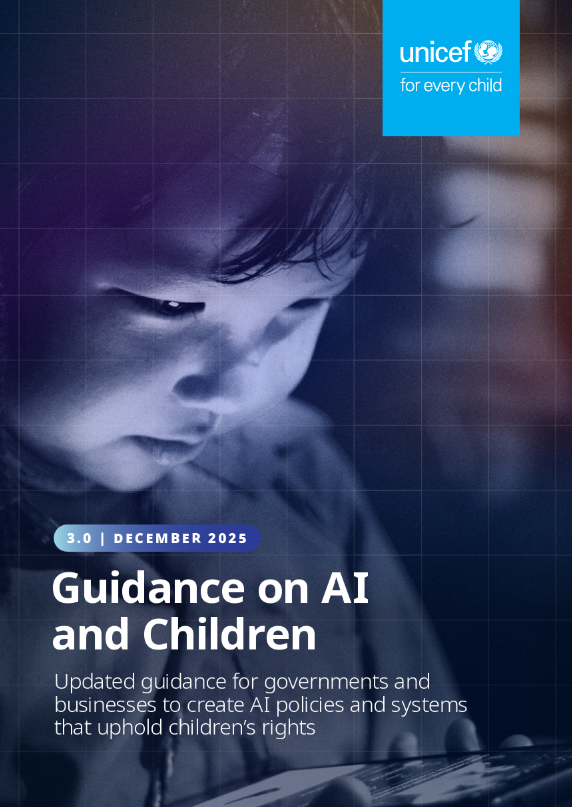
Guidance on AI and Children (Version 3.0)

Prompted by the rapid advance of generative AI, this newly updated toolkit establishes 10 foundational requirements for “child-centred AI.” It moves beyond just protecting children’s data and privacy, focusing heavily on requirement #8 (“Ensure inclusion of and for children”), which outlines how to empower children to actively participate in and shape AI developments that affect them.
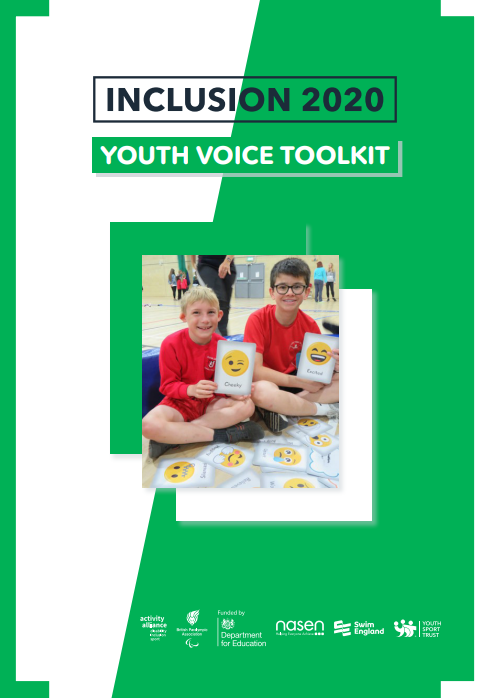
This tool will support you to engage in a fun playful way to enable young children to gain knowledge about their rights and develop a range of skills to support them to engage with their rights.

Consulting Our Youngest Children Toolkit

The strategies in this toolkit can be used by adults working on an individual basis with a young child for a specific purpose or by adults who have significant contact with young children on a frequent basis embedding meaningful consultation in daily practice.

This tool will support you to engage in a fun playful way to enable young children to gain knowledge about their rights and develop a range of skills to support them to engage with their rights.

Core Principles for Meaningful Youth Participation in Intergovernmental Processes and Across the Work of the UN

Stemming from Action 37(d) of the UN Pact for the Future, this landmark global document outlines 11 non-binding core principles for embedding children and young people in agenda-setting, public policy design, and intergovernmental decision-making. It focuses heavily on rights-based co-governance, safety/safeguarding protocols, and removing barriers for underrepresented youth.

Youth Voice and Participation Handbook

Sound Connections has been experimenting with Youth Voice & Participation since 2008. We were inspired by research produced by the Participation Works consortium, partnership founded to further understanding and practice of youth voice, particularly across the voluntary youth sector. We were especially influenced by the milestone report, Building a Culture of Participation (Kirby et al., 2003) the findings of which we began to test and implement in our youth voice and leadership programme, Wired for Music.

Over the years, we’ve learnt about the profound impact a youth voice approach can have on practice, people, planning and policies. Quite simply, we are not the same organisation we were ten years ago. Today, young people are integral to how Sound Connections operates: they shape our programmes, produce their own events, advise us on funding decisions and sit on our board. They also play a key role in our work advocating for youth voice practice across the creative and cultural sector, especially the consultancy we provide to other organisations looking to learn more about youth voice and embed it in their programmes and strategies. It has been an eye-opening and transformational journey, and one that we want to share as widely as possible.

And that’s why we’ve created this handbook. As far as we know, to date, no-one has attempted to produce a guide to youth voice for the creative and cultural sector. This handbook is for you if you or your organisation work creatively with young people. You might work in arts, culture or heritage, in a youth work or educational setting, or in another sector where creative engagement is enhancing the lives of young people. We are delighted to launch the Youth Voice & Participation Handbook and we hope that you will find it informative, intriguing and inspiring.

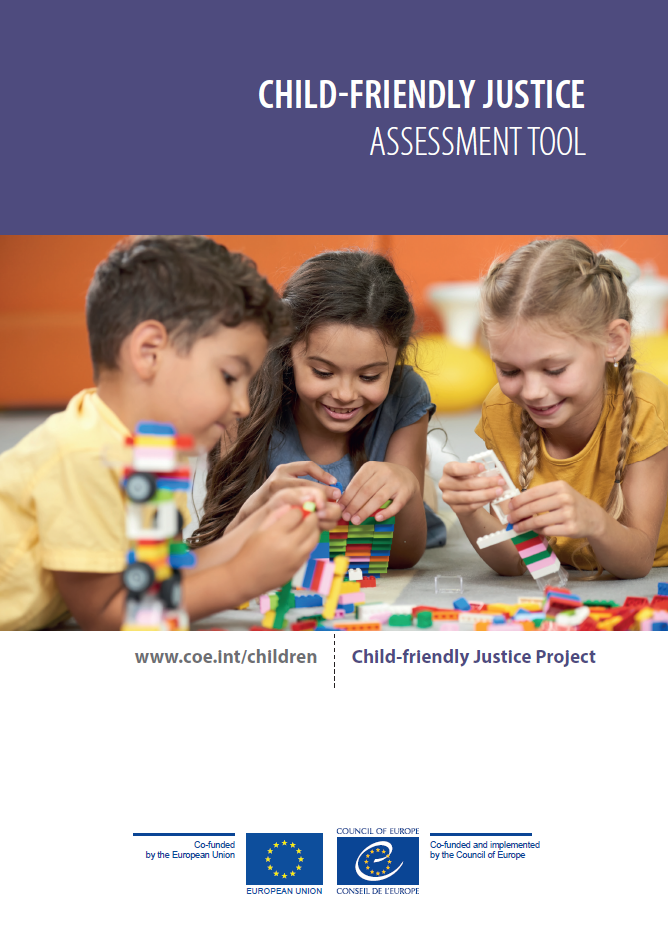
Child-Friendly Justice Assessment Tool

This Child-Friendly Justice (CFJ) Assessment Tool aims to support member states in meeting the standards for child-friendly justice in all situations in  which children are likely to be brought into contact with the justice system, for whatever reason and in whatever capacity – as offenders, victims, witnesses or parties – in judicial proceedings (criminal, civil or administrative law) or non- judicial proceedings. The Assessment Tool is intended to assist member states in best implementing the Guidelines of the Committee of Ministers of the Council of Europe on Child-friendly Justice (hereinafter referred to as ‘the Guidelines’) and in best self-assessing their progress in doing so.