Sector: Professionals & Practitioners

Building a Sustainable Society Through Child Participation: Nordic Research and Practical Application

1.2 Aims of the Book
This book has two main aims. First, it seeks to engage in critical examination of the concept of child participation from multiple perspectives—those of children, professionals, and society—to illuminate how participation can be meaningfully realized. Drawing on legal, social, and economic frameworks, the book discusses both the benefits of children’s participation and the barriers that hinder its full realization. It also delves into the relationship between children’s rights and their practical implementation, exploring the gap between the law in books and the law in action (Pound, 1959).
Second, the book aims to provide an interdisciplinary discussion on child participation, drawing on empirical examples from the Nordic countries. While the Nordic region has strong welfare states and a tradition of progressive child rights policies, challenges remain in translating legal commitments into practice. By shedding light on these challenges, the book contributes to a broader understanding of how societies can better ensure that children’s voices are heard and valued.

Include Us! Children and Young People’s Standards for their Meaningful Participation in Global Events

Our standards are created by children and young people based on our direct experiences and insights to promote children’s participation rights. Our standards also build upon existing models and standards such as the Lundy Model (Space, Voice, Audience, Influence) and the nine basic requirements from the UN Committee on the Rights of the Child. We call on organisations working with children and young people and people organising global events to apply these standards – before, during, and after the global event – to ensure children and young people are seriously listened to. You can use the standards as a guide to inclusively and meaningfully engage children to shape a better world. The standards provide concrete actions to involve children and young people in ways they feel comfortable and provide opportunities for them to share their views and ideas in global events.

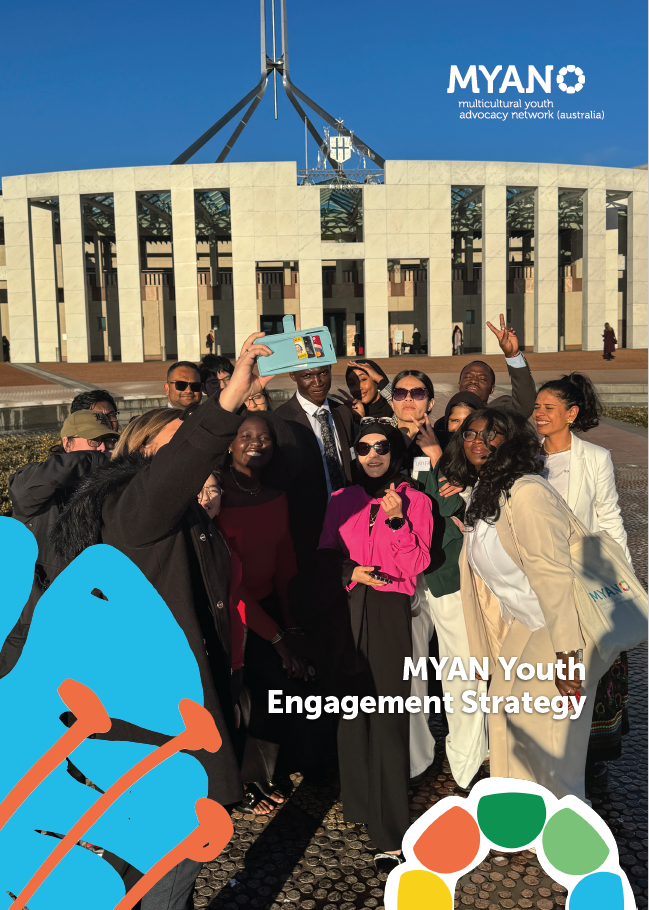
MYAN Youth Engagement Strategy

This paper outlines MYAN’s Youth Engagement Strategy, which provides a framework for working alongside young people and support them to actively participate in civic life, influence policy, and strengthen their leadership. It sets out MYAN’s approach to meaningful participation, guided by the voices of young people, and highlights the structures, goals, and commitments that underpin this work.

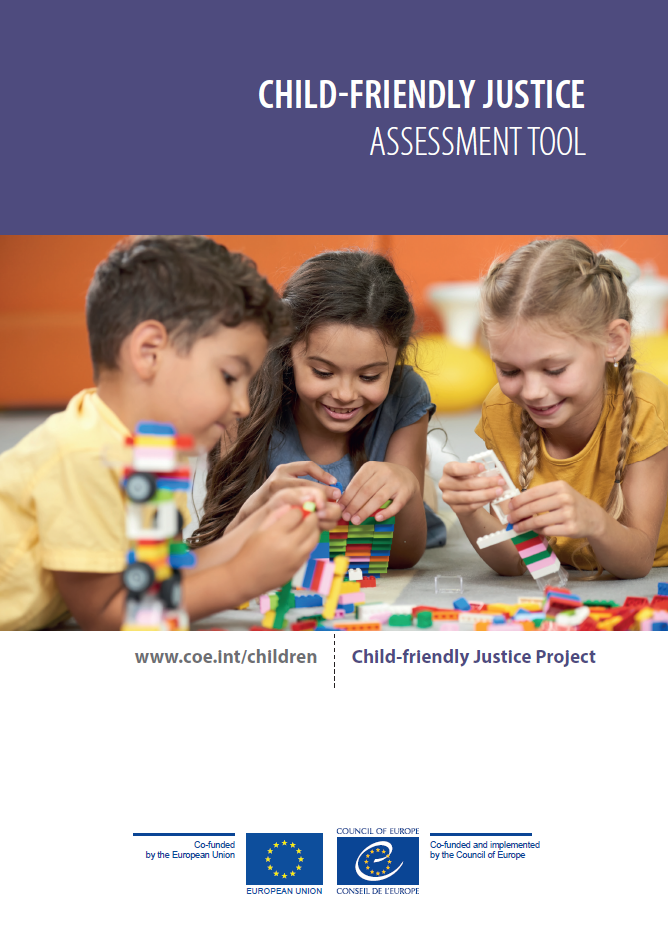
Child-Friendly Justice Assessment Tool

This Child-Friendly Justice (CFJ) Assessment Tool aims to support member states in meeting the standards for child-friendly justice in all situations in  which children are likely to be brought into contact with the justice system, for whatever reason and in whatever capacity – as offenders, victims, witnesses or parties – in judicial proceedings (criminal, civil or administrative law) or non- judicial proceedings. The Assessment Tool is intended to assist member states in best implementing the Guidelines of the Committee of Ministers of the Council of Europe on Child-friendly Justice (hereinafter referred to as ‘the Guidelines’) and in best self-assessing their progress in doing so.

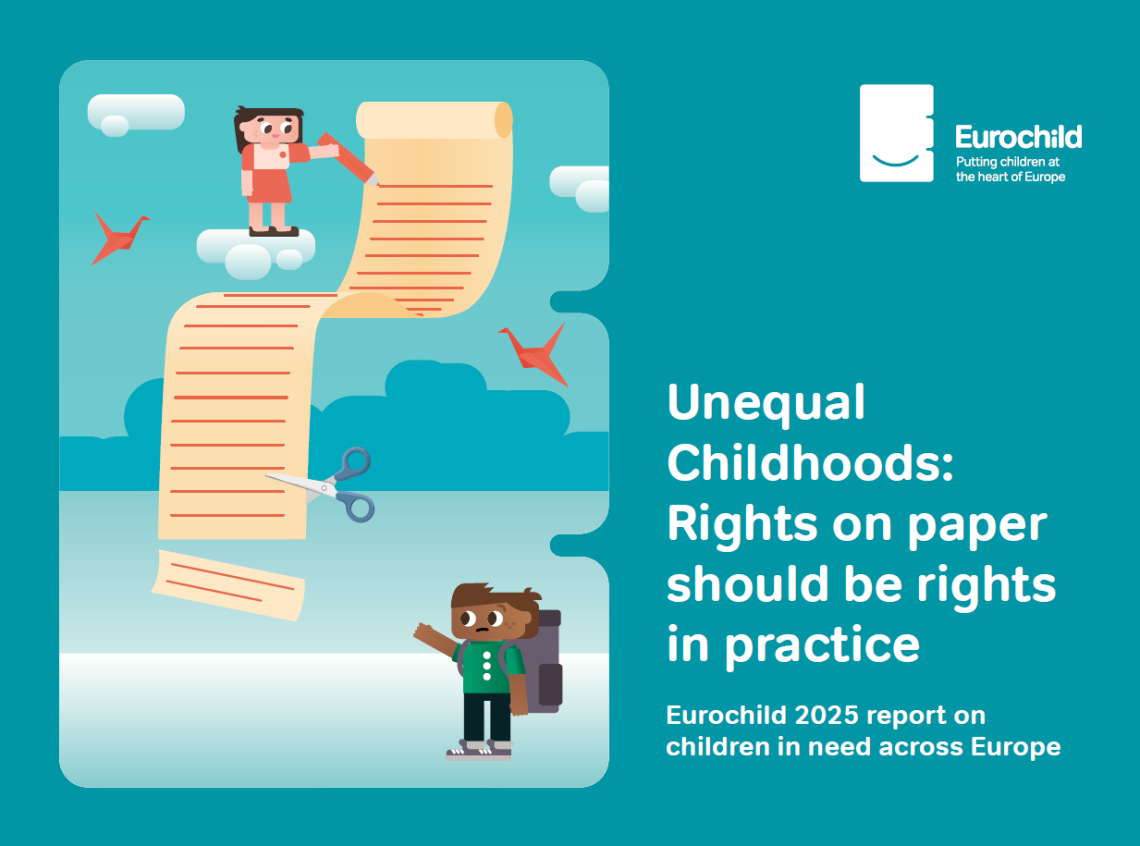
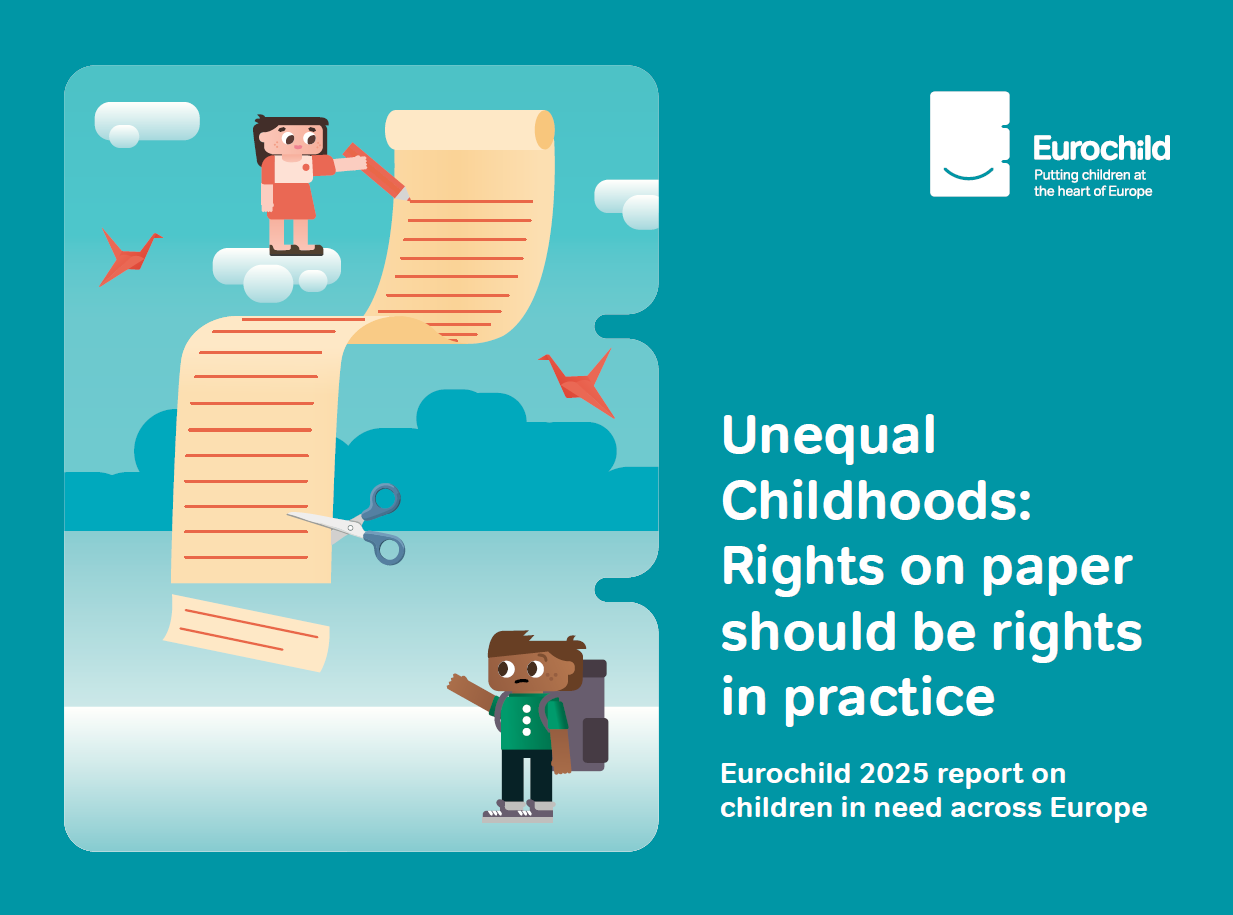
Unequal Childhoods: Rights on paper should be rights in practice

Eurochild is the largest network of organisations working with and for children throughout Europe, striving for a society that respects, protects and promotes the rights of all children. We represent over 225 organisations and individuals from across 41 European countries, reaching approximately 5,000 organisations and individuals on the ground. Our mission is to promote the rights and well-being of children in policy and practice, through advocacy, membership exchange, and research. We aim to bring about tangible positive changes in the lives of children, particularly those affected by poverty and disadvantage.

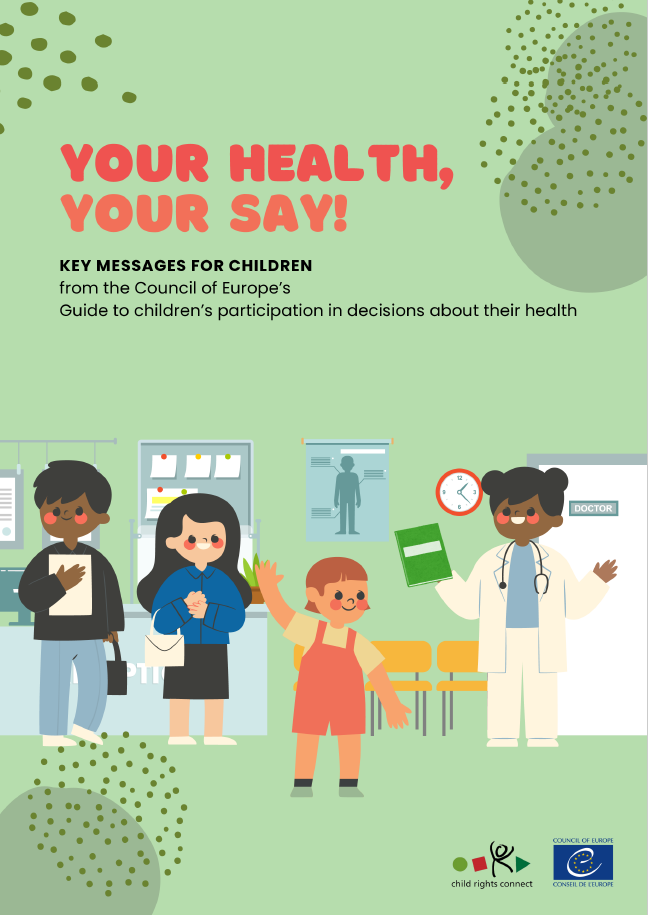
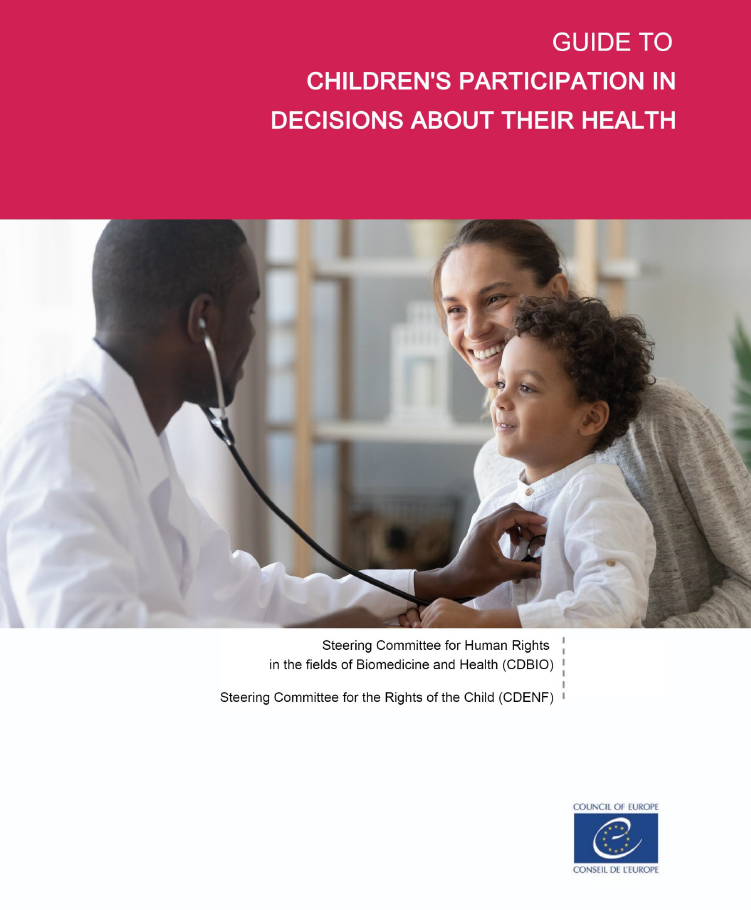
Guide to Children’s Participation in Decisions About Their Health

The Guide provides information and advice, primarily for healthcare professionals, about how to involve children in decision-making processes regarding their health. It starts by presenting the theoretical and legal context and progresses to describe important components of the decision-making process, helping health professionals to understand their role in supporting children, families, and other professionals to enact this in practice. Key concepts of consent, assent, and ‘best interests’ are discussed, as well as common healthcare situations where participation in decision-making may sometimes be perceived as more challenging. Examples and links to good practice are provided throughout.