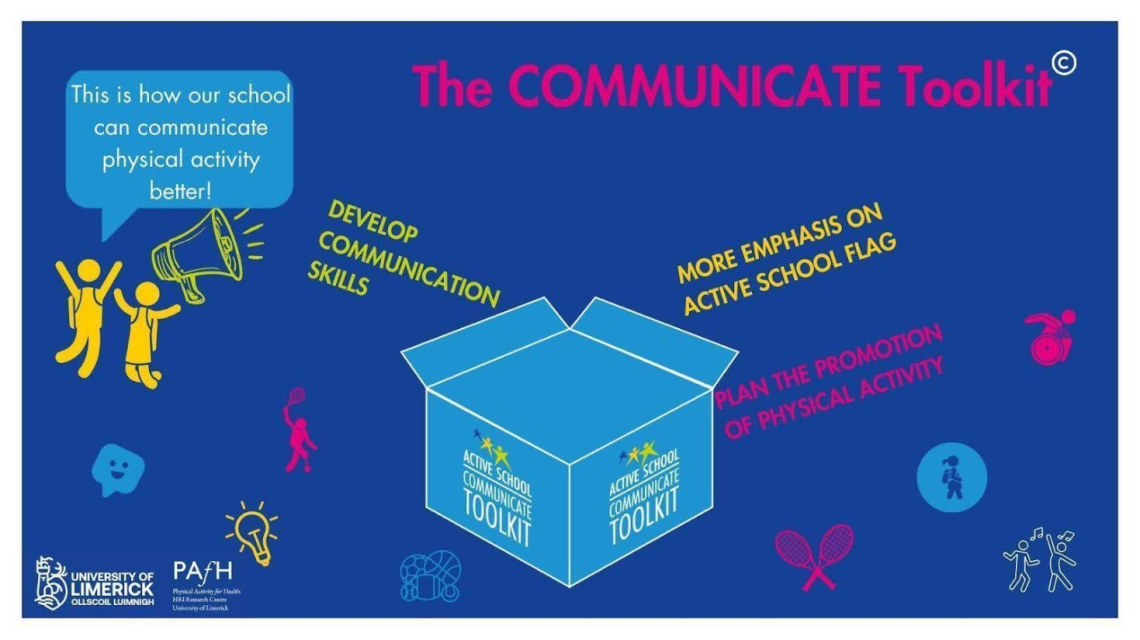
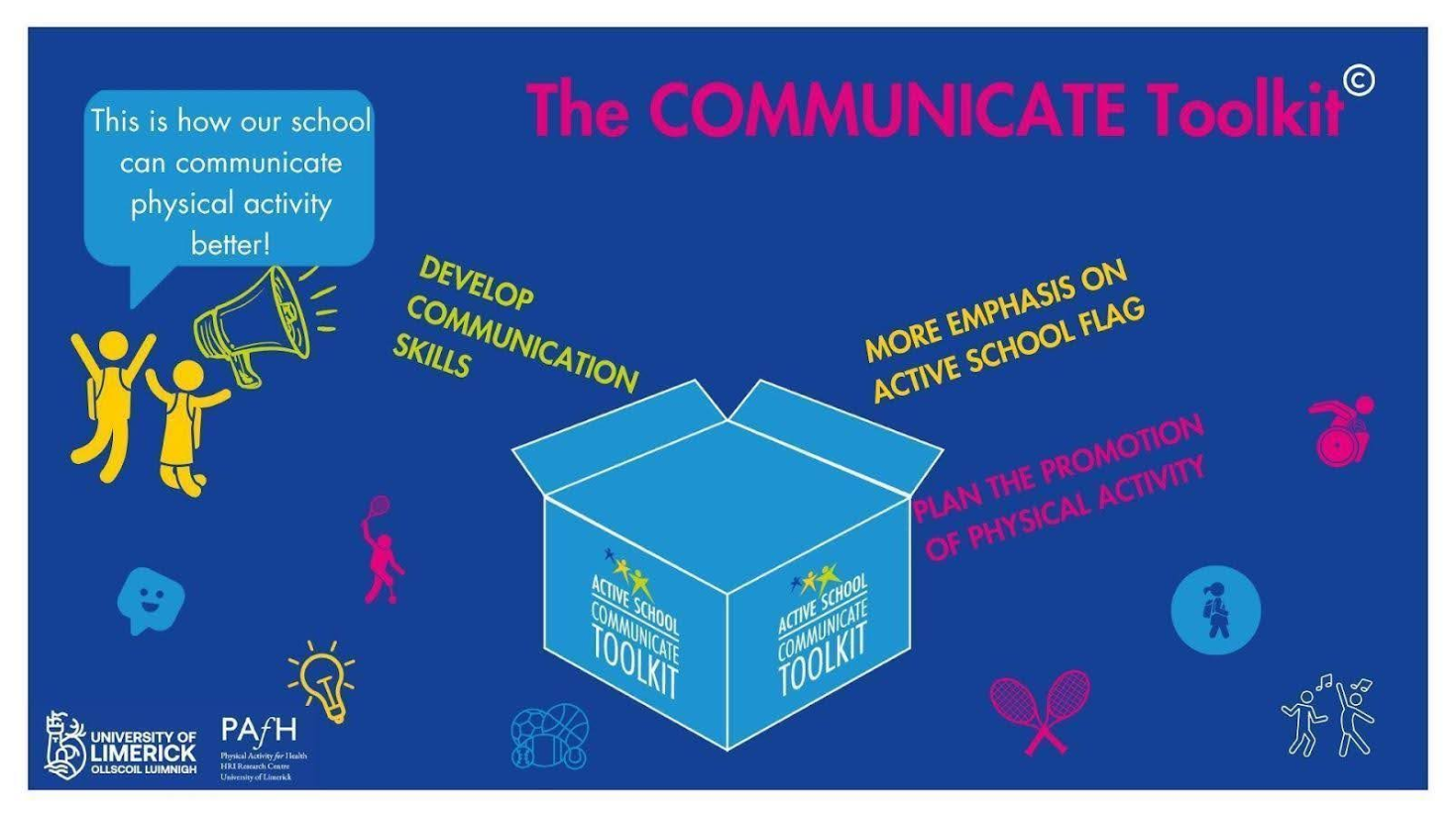
Young Voices on Communicating Physical activity: How Secondary School Students Co-created a Toolkit for the ‘Active Schools Flag’ programme
How children make choices about when to finish an activity or a game

How children make choices about when to finish an activity or a game
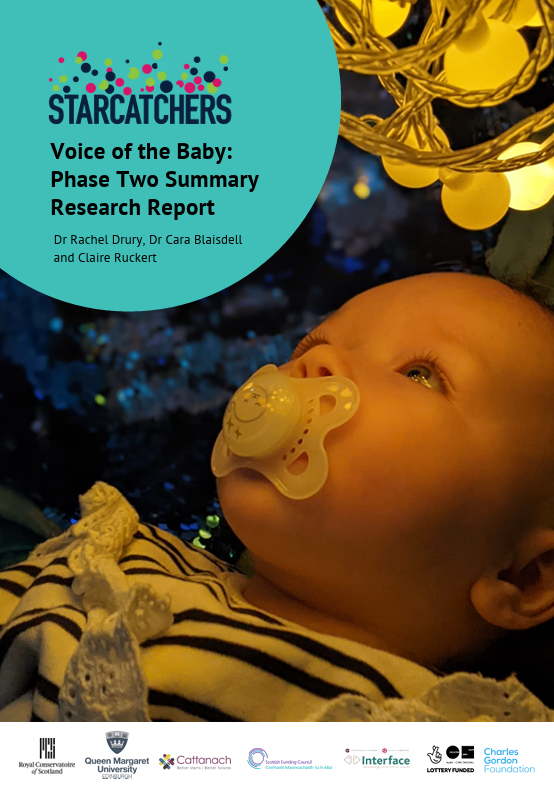
The Starcatchers Voice of the Baby project explored current and emerging rights-based approaches in the arts for babies and young children aged 0-3 in Scotland, with a focus on participation rights and creating an arts-based methodology for early years participation. The UN Convention on the Rights of the Child (1989) enshrines children’s right to express their views, on all matters affecting them, and to have those views given due weight (Article 12). Babies and young children are entitled to all the rights enshrined in the UNCRC—including the right to be heard—but in early childhood this right is often overlooked or neglected. Full implementation of Article 12 requires recognition and respect for both verbal and non-verbal communication, and the arts offer great potential for babies to exercise their right to be heard. Participation in cultural life and the arts is itself a right enshrined in the UNCRC (Article 31) and is connected to a longer human rights history–for example, the right to participate in the cultural life of the community is enshrined in Article 27 of the Universal Declaration of Human Rights (UDHR, 1948). The participation of babies and young children in artistic and cultural life is not only an opportunity for babies themselves, but also has the potential to develop and transform the societies in which they live. As Scotland moves toward incorporation of the UNCRC into Scots law, it is timely to investigate how the arts can enable babies and young children to exercise their right to be heard.
Phase One of the project (funded by Cattanach and Interface) investigated existing knowledge and best practice in this area, via a scoping review of peer-reviewed empirical research studies, a survey conducted with Scottish-based arts practitioners and arts organisations, and group interviews with Starcatchers staff and associate artists. In Phase Two, we visited three Starcatchers creative play projects to learn how artists support the participation rights of babies and young children in ‘real life’. Bringing together our learning from those visits with the findings from Phase One, we have constructed a flexible reflective guide for practitioners across sectors, who wish to facilitate rights based participatory practice with babies and young children through the creative arts.
Phase Two is centred around working with babies from birth who are pre-verbal or developing language skills, however, we recognise that the resulting Reflective Guide may well have a broader application with older children and young people who are nonverbal.
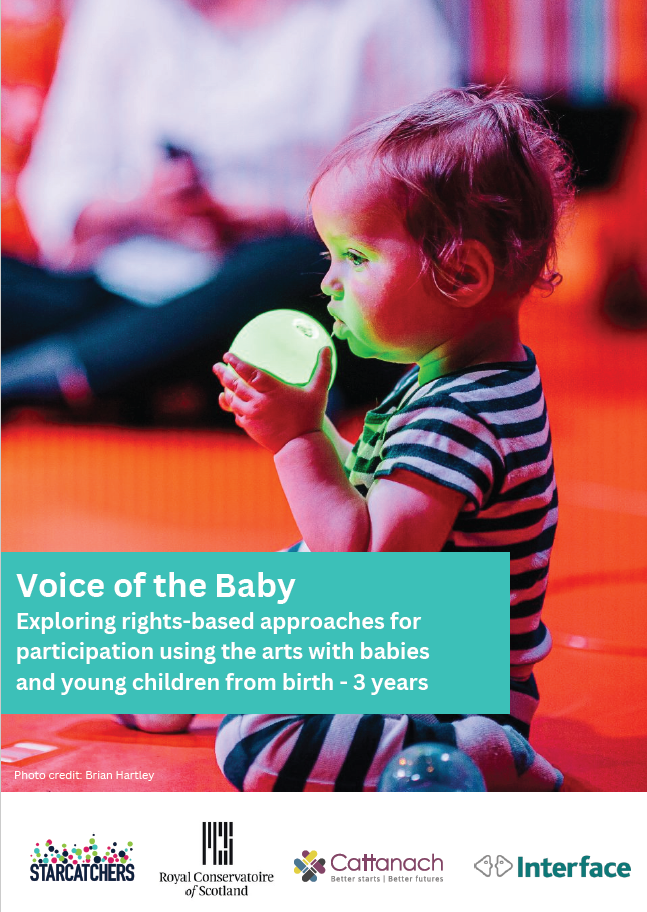
The United Nations Convention on the Rights of the Child (UNCRC) is currently being incorporated into domestic Law in Scotland. In the lead up to incorporation, and as implementation is rolled out, cross-sector organisations, statutory services and government bodies are acknowledging that we must listen to children and young people when it comes to matters that affect their lives; this also includes pre-and non-verbal children.
This Summary Research Report represents Phase 1 of a larger research project. The purpose of Phase 1 was to explore current and emerging rights-based approaches in the arts for children aged birth to 3 in Scotland, with a particular focus on pre- and/or non-verbal children in this age category. The findings from Phase 1 will contribute towards the development of a framework for participation specific to pre-and non-verbal children (Phase 2).
This research represents a partnership project between Starcatchers and the Royal Conservatoire of Scotland, with funding from Cattanach and Interface.

From the very beginning, the Creative Schools programme has aspired to hold youth voice at the centre. Back in 2017 and 2018 when the programme was being conceived and designed at the Arts Council the National Strategy on Children and Young People’s Participation in Decision-Making was an important touchstone. The Arts Council was already embodying a commitment to participation in decision making in many of its programme like the Young Ensembles Scheme and Creative Schools offered another route to centre children and young peoples’ opinions.
Once the programme was established and the first 150 schools began working with their Creative Associates, we benefited hugely from support and guidance from Hub na nÓg to embed this way of working. As the programme has grown, we have witnessed the growth in confidence, experience and curiosity about youth voice among our community.
Since 2018, the landscape around Creative Schools has changed. There is now increased understanding and very welcome higher expectations of how children and young people will be listened to. New national policies for children and young people are clear in how young people have been consulted and there have been greater than ever efforts to ensure all children and young people are included in participation.
This publication is an attempt to capture, celebrate and share ways of working, reflections, ideas, and challenges that have been part of the journey of many Creative Schools. The articles provide a snapshot of the hundreds of projects and programmes which have creatively raised children’s voices. Of course, consultation with children and young people has been a feature of arts in schools and arts in other places for a long time but the scale and reach of Creative schools since 2018 has given us this opportunity to bring together some examples of recent practice, which we offer to anyone with an interest in this area.
Welcome to the Starcatchers Voice of the Baby In Practice Resource. This resource has been inspired by research that Starcatchers commissioned in response to increasing curiosity from across Arts, Health, Early Learning and Childcare and Voluntary sectors about how to consider the ‘voice’ of our youngest children in consultation and participation activities and our belief that the arts could be a wonderful tool to support this.
The research undertaken by Dr Rachel Drury from the Royal Conservatoire of Scotland, Dr Cara Blaisdell from Queen Margaret University, and research assistant Claire Ruckert, resulted in the creation of the Starcatchers Voice of the Baby: A Reflective Guide for the Arts, which outlines five areas for consideration when using rights-based creative approaches with babies and very young children. The Voice of the Baby In Practice Resource sits alongside the Reflective Guide to help put this work into practice and we hope you will find these tools helpful in your work with babies, young children and their parents and carers.
Why is this needed? Babies and young children, those from birth – 3 years are a group who are consistently overlooked in terms of children’s rights. Their lack of verbal language, perceptions about their capabilities and their reliance on the adults makes it much harder for them to access their rights than older children and young people. What we do know, however, is that babies and young children use a myriad of ways to communicate with those around them, sharing their views and their experience of the world.
With the incorporation of the United Nations Convention on the Rights of the Child (UNCRC) into domestic law in Scotland, it has never been more important for us to ensure that babies, those from birth– 3 years, are supported to have their rights realised. A key aspect is that this is not solely focused on the protection and provision rights within the UNCRC but also the participation rights that babies are entitled to. Being included and heard in decisions that are made about their lives is essential, but it is also complex. We know that professionals across sectors are seeking to engage with, and include the views of, babies and young children but that they need support and tools to do this effectively.
The Starcatchers Approach; Putting the needs and ‘voice’ of babies and young children has been at the heart of Starcatchers’ work since our pilot project in 2006. Since then, we have evolved our rights-based approach informed by the babies and young children we have connected with, and by our increased understanding of children’s rights. Where initially our focus was on Article 31 and realising the rights of babies and very young children to engage with and participate in the arts and cultural life, we know that the arts can be a vehicle for babies and very young children to experience the breadth and depth of the rights held within the UNCRC. This includes being able to express views and feelings about matters that affect them and that these views can be taken into account by decision-makers.
The Voice of the Baby Reflective Guide and the In Practice Resource is only a small step in the consideration of the ‘voice’ of babies and very young children in Scotland. It is, however, an exciting step towards enabling increased visibility of babies and their inclusion in discussions regarding their rights.
Children’s right to be heard is expressed in Article 12 of the U.N. Convention on the Rights of the Child. Mechanisms and methods to facilitate the inclusion of young people’s views have been developed by youth workers, advocates and policy-makers and include diverse consultation approaches, including surveys, polls, consultation meetings and formal structures such as youth parliaments. Even though social and digital media are now pervasive in the lives of children, the potential to use these as tools to facilitate youth consultation is still surprisingly at an early stage of development. This paper presents findings from a national mixed-method study on how digital technologies might be further harnessed for this purpose. Over 300 children (6 to 17 years) and 30 professional stakeholders from government departments, public agencies, industry and civil society were consulted regarding their experiences and attitudes towards facilitating children’s participation through social and digital media. While children and young people generally expressed optimism about their potential, professional stakeholders held varying opinions regarding the pros and cons of utilizing digital tools. This paper highlights the contours of this sometimes contentious debate over the appropriate balance to be struck between protection and participation in using digital technologies and taking into consideration children’s best interests in realising their right to be heard. Drawing on the findings, we present a set of principles to guide the future deployment of social and digital media to facilitate children’s participation in public decision-making.


Ensuring Children Can Choose How to Say ‘Hello’ and ‘Goodbye’


Children Choosing Their Weekly Jobs in a Pre-school


How children are ensured a voice on when to eat and what to eat at snack time


How a preschool provides breakfast and lunch for the children every day, based on their own choices.