
Tips for Including Children from Birth to 5 Years in Decision-making
Here are some good practice tips to help you involve children from birth to 5 years in decision-making.
Author: Hub na nÓg, DCEDIY

Here are some good practice tips to help you involve children from birth to 5 years in decision-making.
Author: Hub na nÓg, DCEDIY

This report compiles information from 57 Eurochild members in 31 countries across Europe and provides an overview of children’s realities in these countries. The report aims to identify good and promising practices, working solutions, and country-specific recommendations for EU decision-makers and national governments to draw from when addressing children’s needs.
This publication is an attempt to capture, celebrate and share ways of working, reflections, ideas, and challenges that have been part of the journey of many Creative Schools. The articles provide a snapshot of the hundreds of projects and programmes which have creatively raised children’s voices. Of course, consultation with children and young people has been a feature of arts in schools and arts in other places for a long time but the scale and reach of Creative schools since 2018 has given us this opportunity to bring together some examples of recent practice, which we offer to anyone with an interest in this area.

The Covid-19 pandemic was a worldwide crisis, which had a significant impact on children’s lives. The effects were most damaging for children who were already living in disadvantaged circumstances (United Nations, 2020), with children from economically and socially disadvantaged backgrounds suffering the most (European Union Agency for Fundamental Rights, 2021). Using Ireland as a case study, the purpose of this research is to work collaboratively with children and young people to understand how a child rights-based approach can be embedded in decision-making in times of emergency.

The aim of this scoping document is to provide advice on approaching participative processes and initiatives in the most accessible and inclusive way possible.
The purpose is to support councillors, council officers and those working in other organisations who want to work with those with care experience for the purposes of co-production, consultation, training or other forms of engagement in which a person’s lived experience of children’s social care is a key part of the expertise they bring.

The research in this report investigates whether the approaches that have been used to involve young people have been effective in meaningfully engaging them in decision-making processes. It also explores whether involving young people in decision making influences policies, shapes communities and impacts the lives of young participants
This education strategy is specifically developed to meet the needs of the children, young people and adults from the Traveller and Roma communities with the aim of enhancing their education experience and success.
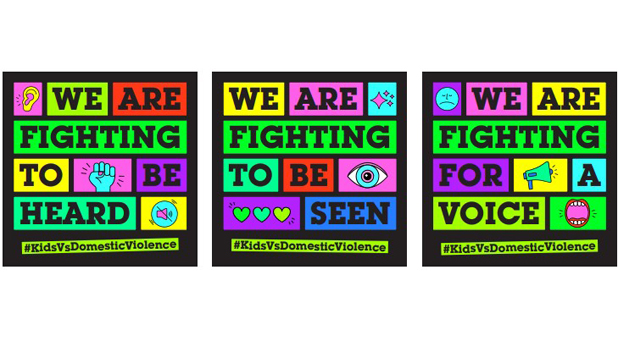
How Barnardos involved children and young people who experienced childhood domestic violence and abuse in service and policy decision-making

The rights of children and young people have gained prominence over recent years, spanning a range of settings and domains. In particular, the importance of eliciting, listening to and acting on the voices and views of children and young people has featured strongly in a range of legislative and policy documents. Internationally, this rights-based focus is particularly informed by the UN Convention on the Rights of the Child and the UN Convention on the Rights of Persons with Disabilities.