
How 3-5-year-old Children have a Voice in Decision-making in a Gymnastics Programme
GymTOTS explorers
Olympian Gymnastics runs a GymTOTS programme for children aged 3-5 years called ‘explorers’. In explorers’ classes, each child attends the one-hour class alone. If children get upset at being separated from their parents, the coaches point out that the child can try the class for a few minutes, and if they are still upset, the coach can phone the parent. GymTOTS sessions use gymnastics and early childhood equipment. The structure of each class is:
Circle time – with all children in the class
There are coloured spots stuck on the floor around the room. Each child picks a spot and sits on it. Coaches start by asking children for their news or to share anything they want. Then one of the coaches reads a story, such as Jack and the Beanstalk, and the children do actions to accompany the story, such as chopping down the beanstalk. Children often lead the actions that accompany the story.
Group time – rotating through a circuit formation to all gym equipment
Children are divided into groups, and each group has the same coach every week, who knows and understands the needs of each child. Children can also try participating in a different group. The children rotate around the gym visiting the beams, bars, vaults, and floor. They follow the circuit with visual aids such as arrows, plastic hands and feet and stop spots. At each piece of equipment, coaches support and teach them to hop, jump, walk and learn skills. Children are free to take part in each activity or not to take part.
Cool down session – with all children in the class
At the end of the class, there is a cooldown session during which they sing songs. Each child is offered a fun stamp of participation. Those who want a stamp pick the colour and design of the stamp and where they want it – on their arm, leg, or hand.
How the children will be given SPACE, VOICE, AUDIENCE and INFLUENCE
Space: 

|
|---|
Voice:

|
|---|
Audience:

|
|---|
Influence:

|
|---|
More Case Studies
Read
How Parents can Enable a Toddler to Make Decisions at Storytime in the Home
How Parents can Enable a Toddler to Make Decisions at Storytime in the Home
Read
How Parents can Involve Babies, Toddlers and Young Children in Decision-making Through the Support of Tusla Family Support Baby and Toddler Groups
How Parents can Involve Babies, Toddlers and Young Children in Decision-making Through the Support of Tusla Family Support Baby and Toddler Groups
Read
How Young Children with Additional Needs are Involved in Decision-making in a GAA Club
How Young Children with Additional Needs are Involved in Decision-making in a GAA Club
Read
Listening to and Acting on Young Children’s Lived Experience of Domestic Violence and Abuse
Listening to and Acting on Young Children’s Lived Experience of Domestic Violence and Abuse
Read
A Hub na nÓg Multi-method Approach to Consult with 3-year-old Children on What is Important in their Lives to Inform Policy Decisions
A Hub na nÓg Multi-method Approach to Consult with 3-year-old Children on What is Important in their Lives to Inform Policy Decisions
Read
How Infants and Non-speaking Children are Involved in Decision-making About Their Healthcare Needs in Emergency Departments that Treat Children
How Infants and Non-speaking Children are Involved in Decision-making About Their Healthcare Needs in Emergency Departments that Treat Children
Read
How Children Take Part in Decision-making in a Junior Infants Classroom
How Children Take Part in Decision-making in a Junior Infants Classroom
Read
How Children in an After-school Service are Involved in Decision-making
How Children in an After-school Service are Involved in Decision-making
Read
Enabling Children to Choose the Clothes They Wear in an Outdoor Preschool
Enabling Children to Choose the Clothes They Wear in an Outdoor Preschool
Read
Young Voices on Communicating Physical activity: How Secondary School Students Co-created a Toolkit for the ‘Active Schools Flag’ programme
How children make choices about when to finish an activity or a game

Read
Ensuring Children Can Choose How to Say ‘Hello’ and ‘Goodbye’
Ensuring Children Can Choose How to Say ‘Hello’ and ‘Goodbye’

Read
Children Choosing Their Weekly Jobs in a Pre-school
Children Choosing Their Weekly Jobs in a Pre-school

Read
How Children are Ensured a Voice on When to Eat and What to Eat at Snack Time
How children are ensured a voice on when to eat and what to eat at snack time

Read
How Children Can Make Decisions on Their Own Meal Choices
How a preschool provides breakfast and lunch for the children every day, based on their own choices.

Read
Risky & Adventurous Play
How children make choices about when to finish an activity or a game

Read
Work in Progress Signs
How children make choices about when to finish an activity or a game

Read
How Babies, Toddlers and Young Children had Voice in Decision-making in the Design and Delivery of a Dance Curriculum
How a dance facilitator created the conditions for babies, toddlers, and young children to have a voice in decision-making.
Read
Empower Kids (Barnardos) Case Study
How Barnardos involved children and young people who experienced childhood domestic violence and abuse in service and policy decision-making
Read
Analysis of Youth Creative Participation (LCYP Laois Offaly)
How children and young people were involved in research analysing youth creative participation and engagement

Read
Hear our Voices!
These instructions will ensure children’s views are listened to and considered in every aspect of The Ark and beyond!

Read
Decision-making in Galway Community Circus
How children and young people are involved in decision-making in Galway Community Circus.
Read
Involving Traveller Children and Young People in Decision-making
How Involve Youth Project involves Traveller children and young people in decision-making in their day-to-day programmes and activities.

Read
Developing a School Charter
How the Irish Secondary Students Union (ISSU) involved young people in the development of a charter for inclusive schools.

Read
Everyday Participation in Family Support Programme
How a family support service listens to and acts on the views of children during their engagement in a family support programme.
Read
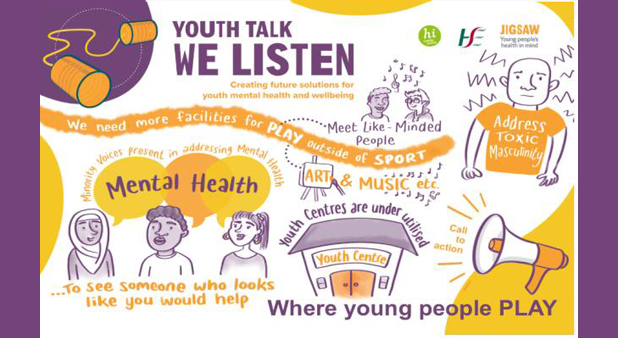
Youth Talk, We Listen
How Jigsaw involved young people in an online youth mental health event ‘Youth Talk, We Listen’
Read
Consultation on Tusla Services for Children
How young people from were involved in developing key messages for adults who deliver services to children and young people.
Read
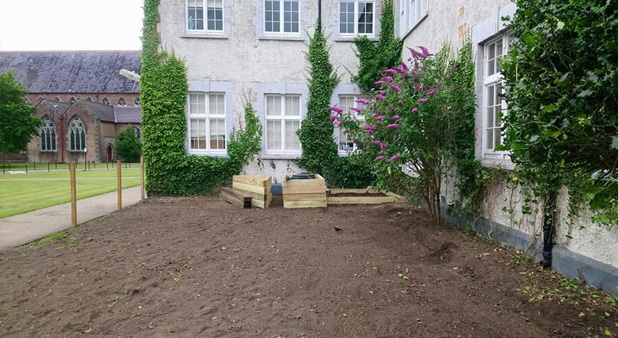
The Voice of Children in a Community Garden
How Kerry Local Creative Youth Partnership involved children in a lunchtime and after-school garden project in a primary school.
Read
UNICEF – EU – DCEDIY Collection of Case Studies
Report on the development of a collection of good practice case studies on children and young people’s participation in decision-making.
Read
Everyday Participation in Service Provision
How the Irish Wheelchair Association involves young people in day-to-day decision-making in its young adult services.

Read
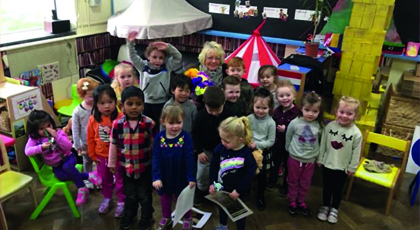
Everyday Spaces in a Classroom
How a primary school teacher ensures that children are given a voice in decision-making on what happens in the classroom every day.
Read
Children’s Voice in Pre-School Project
At Creative Kids & Co., the most important aspect of our work is children’s participation in decision-making in their own learning.

Read
Youth Voice in School Leavers Programme
The topic was identified by two youth workers, based on interactions with young people facing the transition from second-level education.

Read
Youth Voice in a Climate Justice Plan
In October 2019, Foróige’s Reference Panel identified climate justice as an issue affecting all of society and young people in particular.

Read
Youth Involvement in a LGBTI+ Youth Strategy
Young people’s involvement in implementing the world’s first LGBTI+ youth strategy.
Read
Youth Voice on Living in Special Care
Young people’s involvement in improving the experience of living in Ballydowd Special Care Unit.

Read
A Child’s Experience of Being Listened to by a Vet
How the vet ensured that the child was given Space, Voice, Audience and Influence.

Read
Youth Voice in a Halloween Programme
Young people’s involvement in the development of a Halloween Programme in Lava Javas Youth Café, Limerick City.
Read
A Parent’s Story
A parent’s story about the impact on children of having their voices heard.

Read
Students Voice on a New Uniform
Students’ involvement in deciding on a new uniform in Salerno Secondary School, Co. Galway.

Read
Setting up an Advisory Group for Consultations on the Review of the GYDP
The Advisory Group met five times over the six-month timeframe of the consultation process.
Read
Report on Consultations with Young People Engaged in Garda Youth Diversion Projects
GYDPs are community based, multi-agency, youth crime prevention initiatives.
