
How Children in an After-school Service are Involved in Decision-making
Kidz@Play is an early learning and care service and has full daycare, preschool and after school services for babies, toddlers and young children. This example is about how the youngest afterschool children (four and five-year-olds) are involved in decision-making in Kidz@Play. There is a loose schedule or routine for after-school children, but this is moveable.
• When the children arrive after school, they sit wherever they like in the dining room area. They can choose a hot meal or toasted sandwiches and soup, depending on their own and their parents’ preferences. Children can choose how they want their food served, as a lot of children don’t like sauces on food. Children are offered choices from a varied menu and a colourful fruit tray that regularly changes and are asked for feedback about the foods on offer.
• After eating, children usually want to play and are invited to make choices about the way they play.
• The environment is set up based on consultations conducted with afterschool children on what they would like to do and what equipment they would like. One of the main things they asked for was a ‘couch’ to relax on a comfortable seat after a day on school chairs. The couch was bought, and a relaxing area was set up with blankets, throws, cushions and sensory toys.
• The environment is set up into areas of interest, which have moveable dividers so any number of children can play in them. Children can choose to play wherever they want (home corner, arts and crafts, sand, water and other sensory and messy play, indoor construction such as Lego, board games, outdoor free play, outdoor ball games and equipment, story time). Educators became aware of the importance of sensory and messy play for afterschool children by listening to and acting on their views.
• Children want to be outdoors as much as possible, and educators enable them to make choices about what they do outdoors. For example, following building work in the preschool, the afterschool children asked if they could use shovels and wheelbarrows to transfer spare gravel into a large gravel pit to play with, and the educators supported this request.
• Children choose when to do homework based on discussions with the children, parents and teachers. There is a space for homework with educators to support the children. Older children also often help younger children with homework.
• ‘Rules’, ‘inclusion’ and ‘behaviour’ are developed in consultation with the children, educators and parents in line with health and safety and anti-bullying policies. Children are asked to discuss how to include new children, how the environment and resources can be cared for and how disagreements between children can be resolved in a collaborative and non-judgemental way. The ‘rules’ of inclusion are visible for the children and discussed with them.
• Children are also consulted on many other aspects of the afterschool and offered voting options such as names in jars. These aspects include:
– The books they want to read
– Toys and other resources
– Special events and parties
– Movies
How the young children were ensured SPACE, VOICE, AUDIENCE and INFLUENCE
Space: 

|
|---|
Voice:

|
|---|
Audience:

|
|---|
Influence:

|
|---|
More Case Studies
Read
How Parents can Enable a Toddler to Make Decisions at Storytime in the Home
How Parents can Enable a Toddler to Make Decisions at Storytime in the Home
Read
How Parents can Involve Babies, Toddlers and Young Children in Decision-making Through the Support of Tusla Family Support Baby and Toddler Groups
How Parents can Involve Babies, Toddlers and Young Children in Decision-making Through the Support of Tusla Family Support Baby and Toddler Groups
Read
How Young Children with Additional Needs are Involved in Decision-making in a GAA Club
How Young Children with Additional Needs are Involved in Decision-making in a GAA Club
Read
How 3-5-year-old Children have a Voice in Decision-making in a Gymnastics Programme
How 3-5-year-old Children have a Voice in Decision-making in a Gymnastics Programme
Read
Listening to and Acting on Young Children’s Lived Experience of Domestic Violence and Abuse
Listening to and Acting on Young Children’s Lived Experience of Domestic Violence and Abuse
Read
A Hub na nÓg Multi-method Approach to Consult with 3-year-old Children on What is Important in their Lives to Inform Policy Decisions
A Hub na nÓg Multi-method Approach to Consult with 3-year-old Children on What is Important in their Lives to Inform Policy Decisions
Read
How Infants and Non-speaking Children are Involved in Decision-making About Their Healthcare Needs in Emergency Departments that Treat Children
How Infants and Non-speaking Children are Involved in Decision-making About Their Healthcare Needs in Emergency Departments that Treat Children
Read
How Children Take Part in Decision-making in a Junior Infants Classroom
How Children Take Part in Decision-making in a Junior Infants Classroom
Read
Enabling Children to Choose the Clothes They Wear in an Outdoor Preschool
Enabling Children to Choose the Clothes They Wear in an Outdoor Preschool
Read
Young Voices on Communicating Physical activity: How Secondary School Students Co-created a Toolkit for the ‘Active Schools Flag’ programme
How children make choices about when to finish an activity or a game

Read
Ensuring Children Can Choose How to Say ‘Hello’ and ‘Goodbye’
Ensuring Children Can Choose How to Say ‘Hello’ and ‘Goodbye’

Read
Children Choosing Their Weekly Jobs in a Pre-school
Children Choosing Their Weekly Jobs in a Pre-school

Read
How Children are Ensured a Voice on When to Eat and What to Eat at Snack Time
How children are ensured a voice on when to eat and what to eat at snack time

Read
How Children Can Make Decisions on Their Own Meal Choices
How a preschool provides breakfast and lunch for the children every day, based on their own choices.

Read
Risky & Adventurous Play
How children make choices about when to finish an activity or a game

Read
Work in Progress Signs
How children make choices about when to finish an activity or a game

Read
How Babies, Toddlers and Young Children had Voice in Decision-making in the Design and Delivery of a Dance Curriculum
How a dance facilitator created the conditions for babies, toddlers, and young children to have a voice in decision-making.
Read
Empower Kids (Barnardos) Case Study
How Barnardos involved children and young people who experienced childhood domestic violence and abuse in service and policy decision-making
Read
Analysis of Youth Creative Participation (LCYP Laois Offaly)
How children and young people were involved in research analysing youth creative participation and engagement

Read
Hear our Voices!
These instructions will ensure children’s views are listened to and considered in every aspect of The Ark and beyond!

Read
Decision-making in Galway Community Circus
How children and young people are involved in decision-making in Galway Community Circus.
Read
Involving Traveller Children and Young People in Decision-making
How Involve Youth Project involves Traveller children and young people in decision-making in their day-to-day programmes and activities.

Read
Developing a School Charter
How the Irish Secondary Students Union (ISSU) involved young people in the development of a charter for inclusive schools.

Read
Everyday Participation in Family Support Programme
How a family support service listens to and acts on the views of children during their engagement in a family support programme.
Read
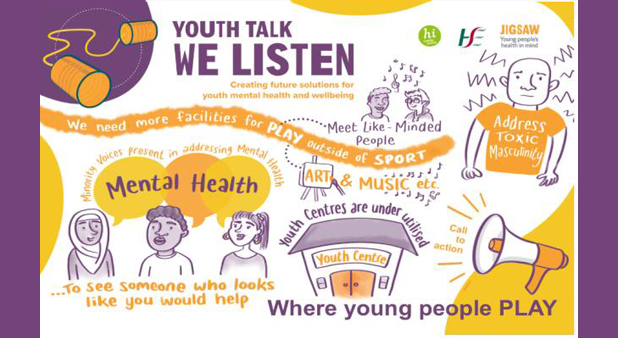
Youth Talk, We Listen
How Jigsaw involved young people in an online youth mental health event ‘Youth Talk, We Listen’
Read
Consultation on Tusla Services for Children
How young people from were involved in developing key messages for adults who deliver services to children and young people.
Read
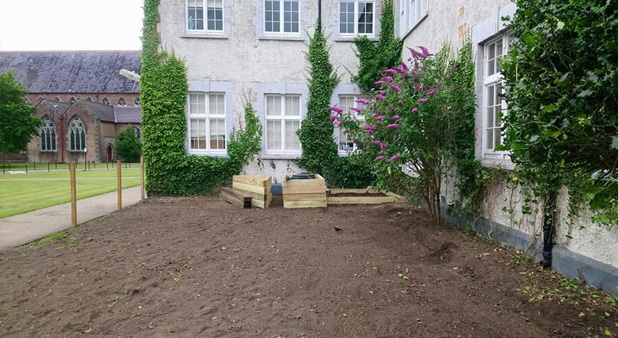
The Voice of Children in a Community Garden
How Kerry Local Creative Youth Partnership involved children in a lunchtime and after-school garden project in a primary school.
Read
UNICEF – EU – DCEDIY Collection of Case Studies
Report on the development of a collection of good practice case studies on children and young people’s participation in decision-making.

Read
Everyday Participation in Service Provision
How the Irish Wheelchair Association involves young people in day-to-day decision-making in its young adult services.

Read
Everyday Spaces in a Classroom
How a primary school teacher ensures that children are given a voice in decision-making on what happens in the classroom every day.
Read
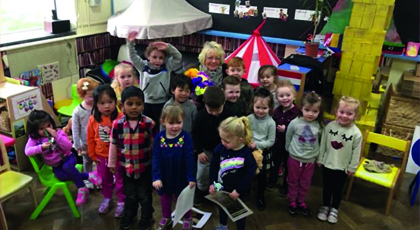
Children’s Voice in Pre-School Project
At Creative Kids & Co., the most important aspect of our work is children’s participation in decision-making in their own learning.

Read
Youth Voice in School Leavers Programme
The topic was identified by two youth workers, based on interactions with young people facing the transition from second-level education.

Read
Youth Voice in a Climate Justice Plan
In October 2019, Foróige’s Reference Panel identified climate justice as an issue affecting all of society and young people in particular.

Read
Youth Involvement in a LGBTI+ Youth Strategy
Young people’s involvement in implementing the world’s first LGBTI+ youth strategy.
Read
Youth Voice on Living in Special Care
Young people’s involvement in improving the experience of living in Ballydowd Special Care Unit.

Read
A Child’s Experience of Being Listened to by a Vet
How the vet ensured that the child was given Space, Voice, Audience and Influence.

Read
Youth Voice in a Halloween Programme
Young people’s involvement in the development of a Halloween Programme in Lava Javas Youth Café, Limerick City.

Read
A Parent’s Story
A parent’s story about the impact on children of having their voices heard.

Read
Students Voice on a New Uniform
Students’ involvement in deciding on a new uniform in Salerno Secondary School, Co. Galway.

Read
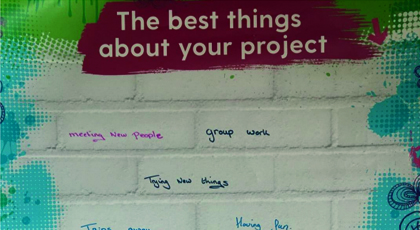
Setting up an Advisory Group for Consultations on the Review of the GYDP
The Advisory Group met five times over the six-month timeframe of the consultation process.
Read
Report on Consultations with Young People Engaged in Garda Youth Diversion Projects
GYDPs are community based, multi-agency, youth crime prevention initiatives.
